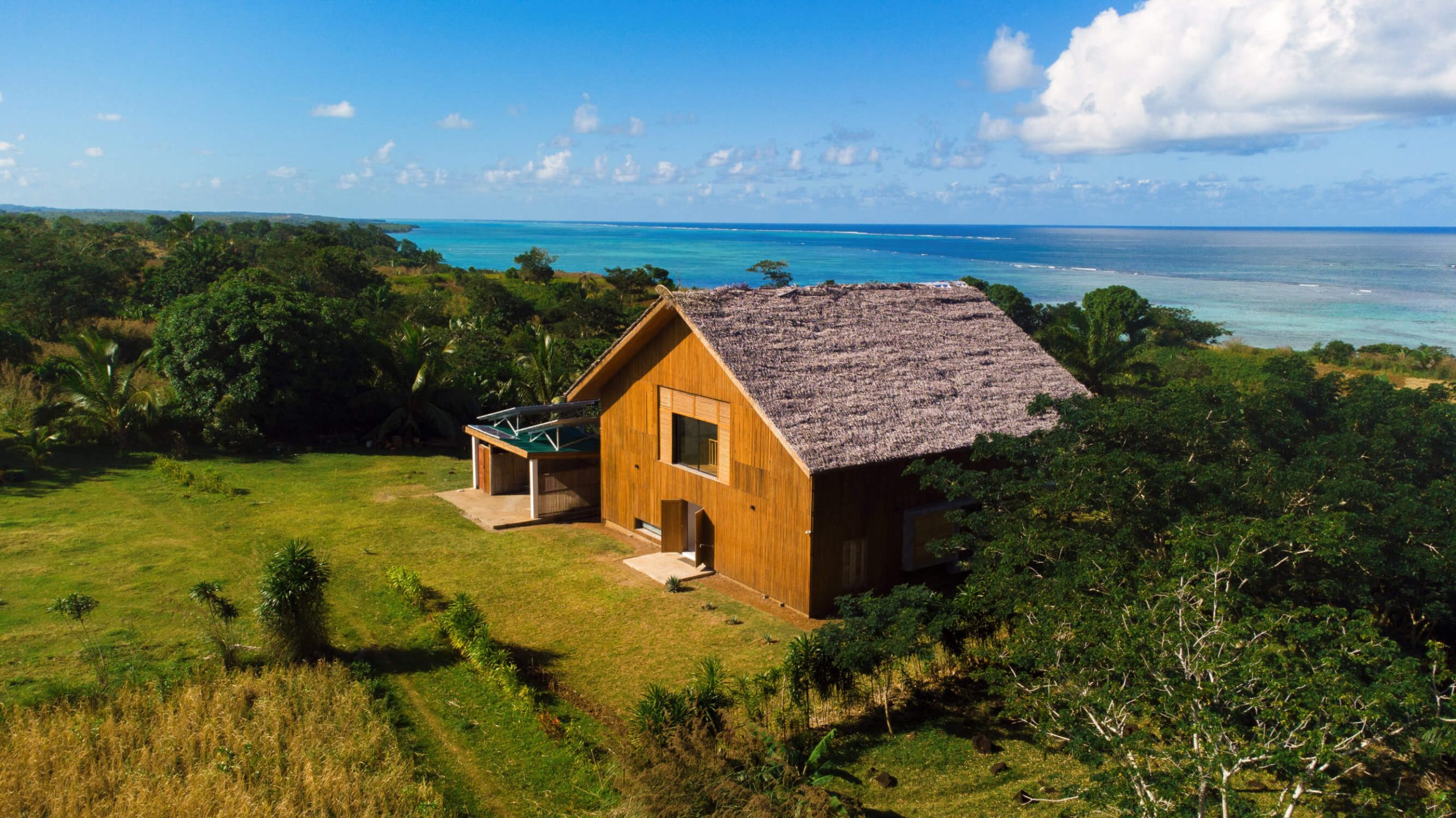
Construction de Maisons
2024

If you drive north from London and turn off the A1 at Stamford, you’ll find the tiny village of Cromer on the Norfolk coast. It’s a 90‑minute journey, yet the beach feels more like a private cove than a tourist hub. The town’s pier, built in 1902, is still used for fishing trips, and the sea‑air is noticeably cleaner than the busier resorts further south.
Further along, the cliffs at Dorset’s Portland Bill stretch for 5 kilometres and hide a series of hidden coves that are only accessible at low tide. The tide tables at the local harbour show a window of about two hours each morning when you can walk down to Pitt’s Head without getting stuck. Bring a pair of waterproof boots; the rocks are slick, but the view of the Jurassic Coast is worth the effort.
On the opposite side of the country, the tiny fishing hamlet of St. Bees in Cumbria offers a 2‑mile stretch of golden sand backed by dunes that are still managed by the National Trust. The dunes host a rare colony of sand lizards, so you’ll spot a few colourful reptiles if you look closely.
At Cromer, a half‑day is enough to stroll the promenade, try a fresh fish‑and‑chips shop, and climb the lighthouse for a 360° view. If you linger for a second meal, add another hour – the local pub, The Anchor, serves a locally brewed ale that’s only on tap on Thursdays.
Portland Bill demands more patience. The tide‑dependent path to Pitt’s Head takes roughly 45 minutes each way, and you’ll want at least an hour to explore the sea‑stack formations and the old World War II pillboxes that dot the headland. Plan a full morning, and you’ll still have time for a quick lunch at the nearby Portland Bill Hotel.
St. Bees is perfect for an afternoon picnic. The beach is safe for children, and the nearby St. Bees Head circular walk is 3 kilometres long, taking about an hour at a relaxed pace. Pack a blanket and a thermos – the wind can be brisk even on sunny days.
Even when you’re planning a quiet beach break, a little online entertainment can round out the day. While waiting for the tide to turn at Portland Bill, I logged onto https://cdfracing.co.uk to catch a few virtual horse races – a fun distraction that didn’t interfere with the natural rhythm of the coast.
The payoff is tangible. In Cromer, the sunrise over the North Sea paints the sky in pastel shades that you rarely see on the more commercial beaches of Brighton or Blackpool. At Portland Bill, the sheer cliffs create a natural amphitheatre for the sound of waves crashing against the rock – an acoustic experience you can’t replicate in a city park.
St. Bees offers a rare combination of beach and countryside. After a walk along the dunes, you can drive a short distance inland to the historic St. Bees Priory, a 12th‑century ruin that adds a cultural layer to the seaside escape.

Overall, the extra planning – checking tides, arriving early, and packing appropriately – transforms a simple day trip into a memorable adventure. You’ll return home with photos of untouched shorelines, stories of hidden coves, and a refreshed sense of the UK’s diverse coastal character.
Cromer in Norfolk offers a low‑traffic beach with a historic pier, while the nearby village of Hunstanton provides a tranquil seaside experience.
The cliffs at Portland Bill stretch for five kilometres and hide several coves that are only accessible at low tide, giving visitors a secluded escape.
Yes, Cromer's pier, built in 1902, remains in use for fishing trips and offers a charming, less‑touristy promenade.
The combination of cleaner sea air, limited visitor numbers, and scenic natural features creates a relaxing atmosphere away from the bustle of popular resorts.