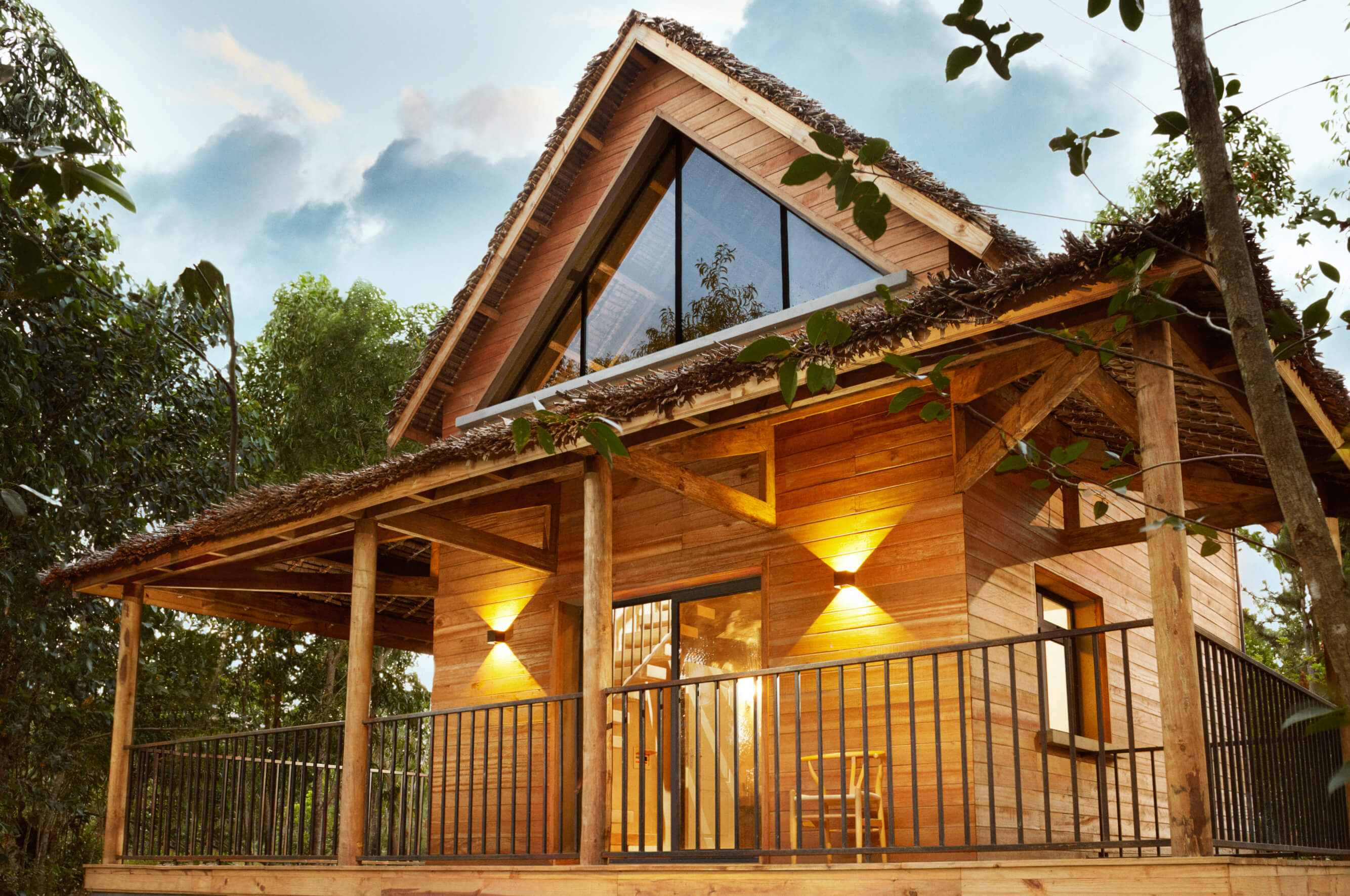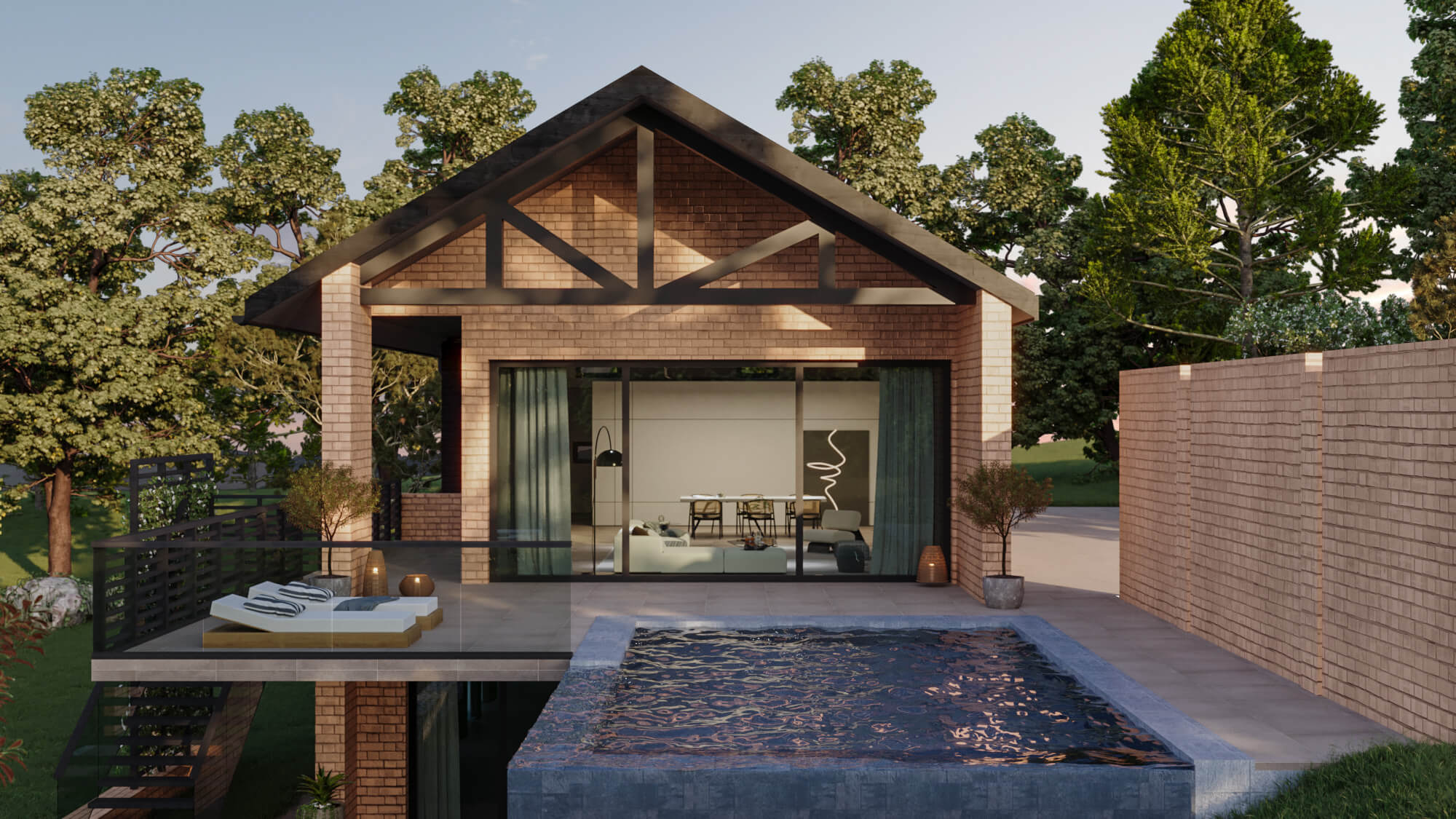
Construction de Maisons
2024

London’s skyline is famous for its towering office blocks and bustling markets, but a few streets below the surface, a different rhythm pulses. If you’re looking for a weekend that feels both intimate and electrifying, the city’s hidden jazz clubs offer a slice of history, an atmosphere that’s hard to find elsewhere, and a chance to hear music that still feels fresh. I spent two nights in three venues that I’d never heard of before, and the experience was a reminder that the best discoveries often happen off the beaten path.
Located in a former bakery on a quiet back street, the club that calls itself “The Blue Note” keeps its doors closed to the public until 9 p.m. every Friday. The entrance is marked only by a brass plaque that reads “Enter through the back.” Inside, the décor is a faithful recreation of a 1920s speakeasy: low lighting, leather booths, and a small stage that can hold a quintet. The sound system is surprisingly intimate; the drummer’s cymbals feel like they’re right beside you. The club’s signature cocktail, the “Jazz Julep,” is a twist on the classic mint julep with a splash of gin and a hint of elderflower.
On the fourth floor of a converted warehouse in Shoreditch, “Skyline Sessions” offers a panoramic view of the Thames and a lineup that shifts weekly. The venue’s layout is a clever mix of open floor and alcoves, allowing you to choose between a front‑row seat or a more secluded corner. The pianist, a former BBC Radio presenter, plays a mix of standards and original compositions that have been praised for their modern twists. The bar serves a small selection of craft beers and a house‑made “London Fog” cocktail, which pairs surprisingly well with the smoky saxophone solos.
“Café Jazz” is tucked behind a closed door in a narrow alley near Brick Lane. The only way to find it is to ask a local or follow the scent of fresh coffee. The venue is a converted coffee shop, so the acoustics are naturally warm. The house band, a trio of saxophonist, bassist, and drummer, performs a set that lasts about an hour, followed by a brief intermission where the audience can mingle with the musicians. The highlight is the impromptu jam session that usually starts around 11:30 p.m., where strangers become friends over a shared love of jazz.

After a night of live jazz, you might feel like extending the evening with another form of leisure. Whether you’re looking to test your luck or just want to unwind with some light gaming, there are plenty of options that fit a relaxed yet thrilling mood. If you’re in the mood for a quick spin, consider exploring online platforms that offer a range of games and entertainment. Why not add a little rhythm to your luck by visiting a virtual casino where you can Play now and feel the thrill of the city from your phone? For those who enjoy the buzz of a casino, there are sites that let you play now without any long waiting periods or hidden fees. The experience can be as simple as a few clicks, and you can enjoy it from the comfort of your own home or a cozy café.
The charm of London’s hidden jazz clubs lies in their ability to transport you back to an era of improvisation and daring. Each venue has its own personality: one feels like a time capsule, another offers a modern twist, and the third feels like a secret meeting place for friends. The common thread is an intimate setting that encourages interaction between performers and audience, a feature that is hard to find in larger venues. For anyone who appreciates music that feels alive and unplanned, these clubs are a must‑visit.
Spending a weekend in London’s hidden jazz clubs is more than just a night out; it’s a journey into the city’s cultural underbelly. The experience is grounded in authenticity, with each club offering a distinct atmosphere that reflects a different slice of jazz history. Whether you’re a seasoned aficionado or a curious newcomer, the combination of great music, cozy venues, and thoughtful planning will leave you with memories that last far beyond the final chord.
They combine intimate atmospheres, rich history, and fresh, electrifying performances that are hard to find elsewhere.
Begin with iconic spots like Ronnie Scott’s, then explore lesser-known venues in Camden, Soho, and the East End.
Many clubs recommend reservations, especially on weekends, to secure a seat in these popular, intimate venues.