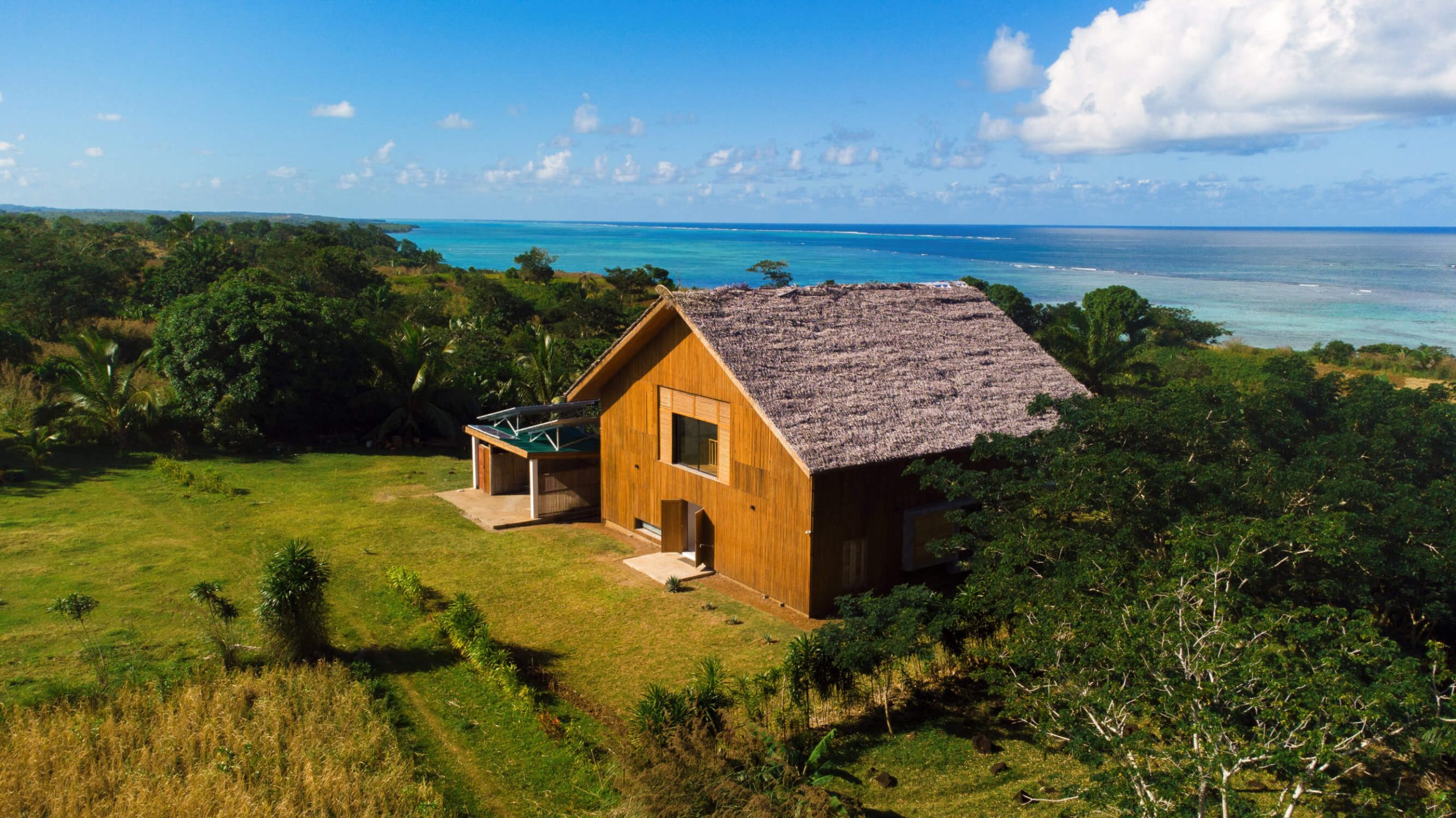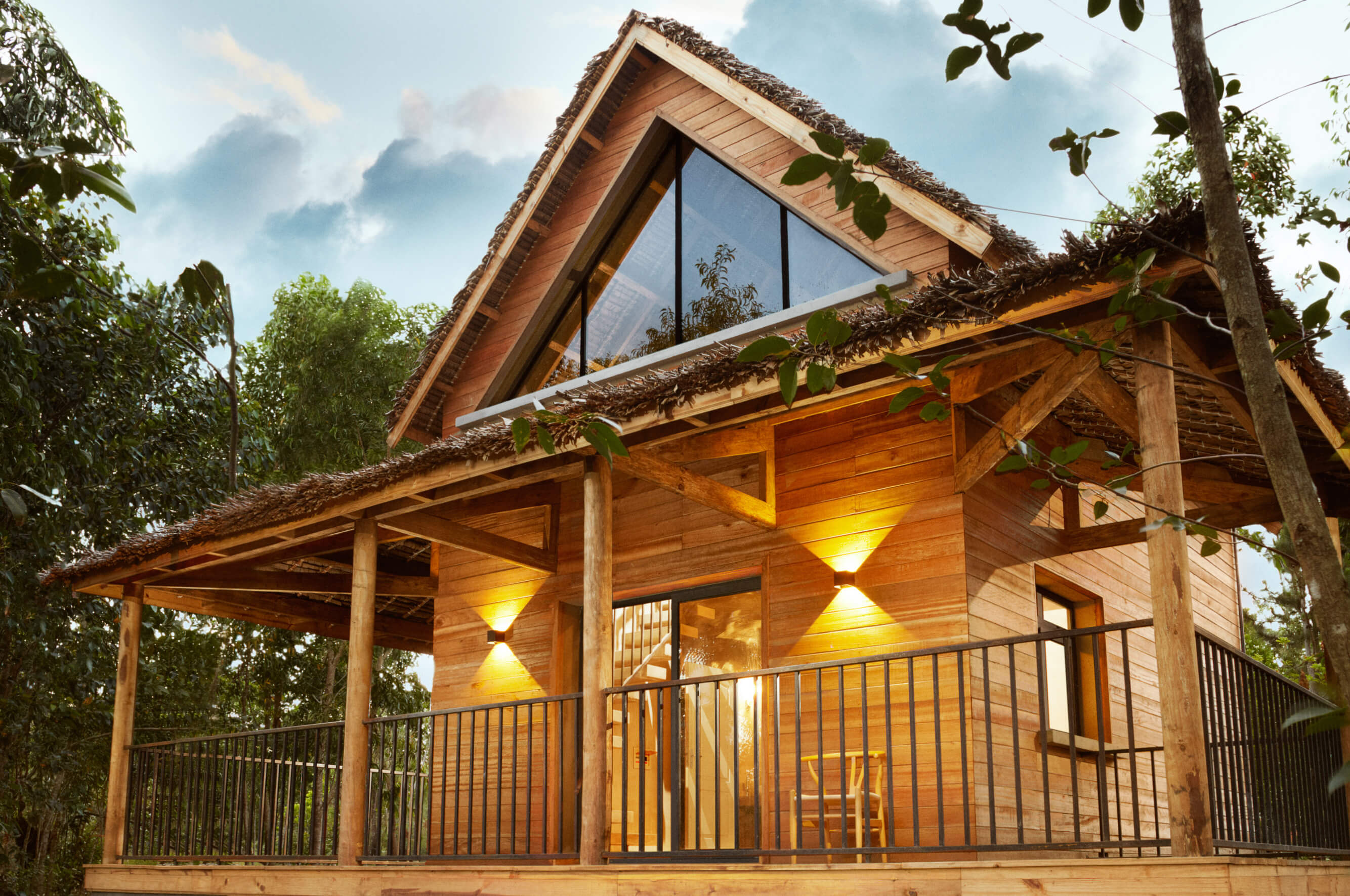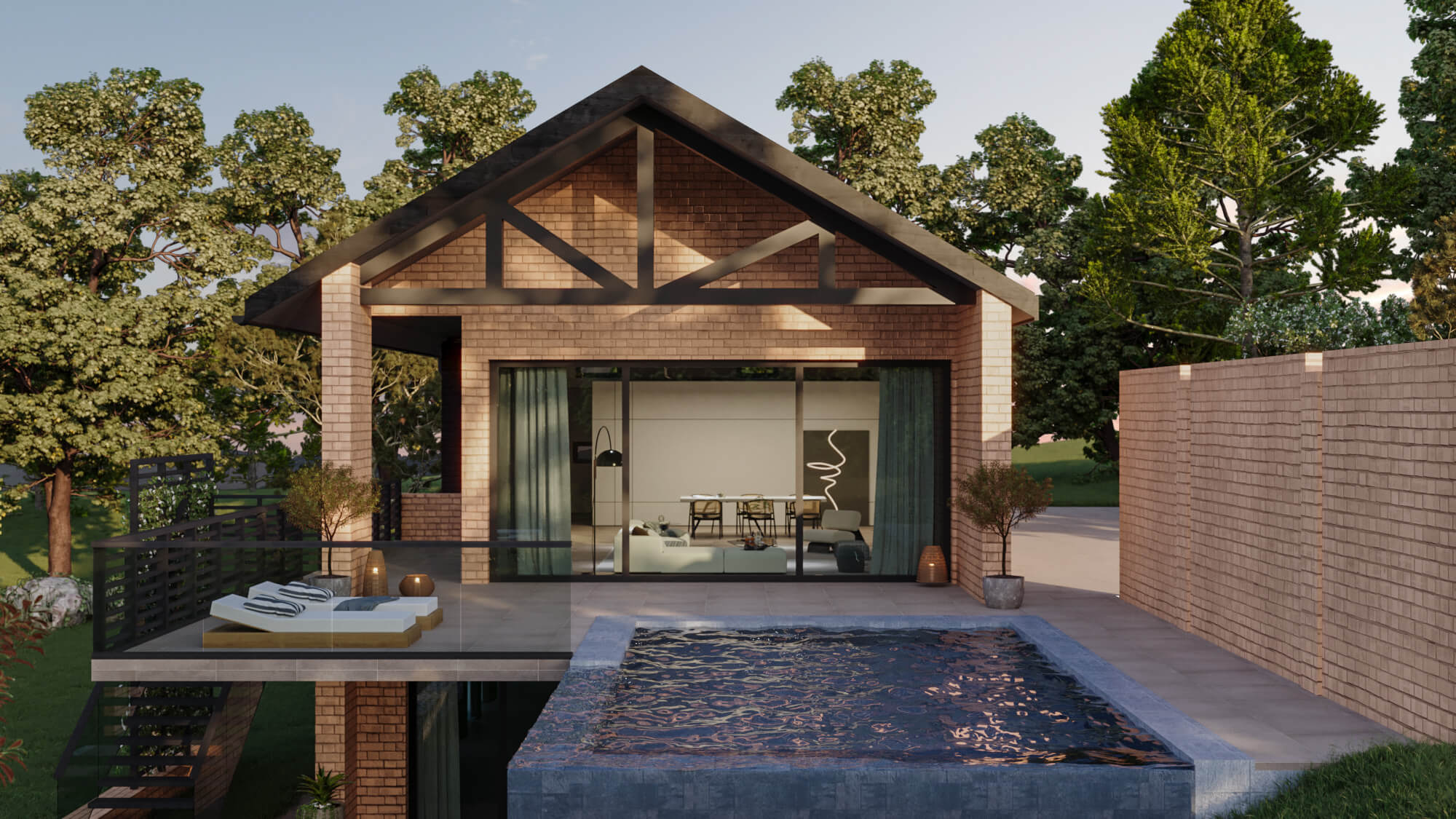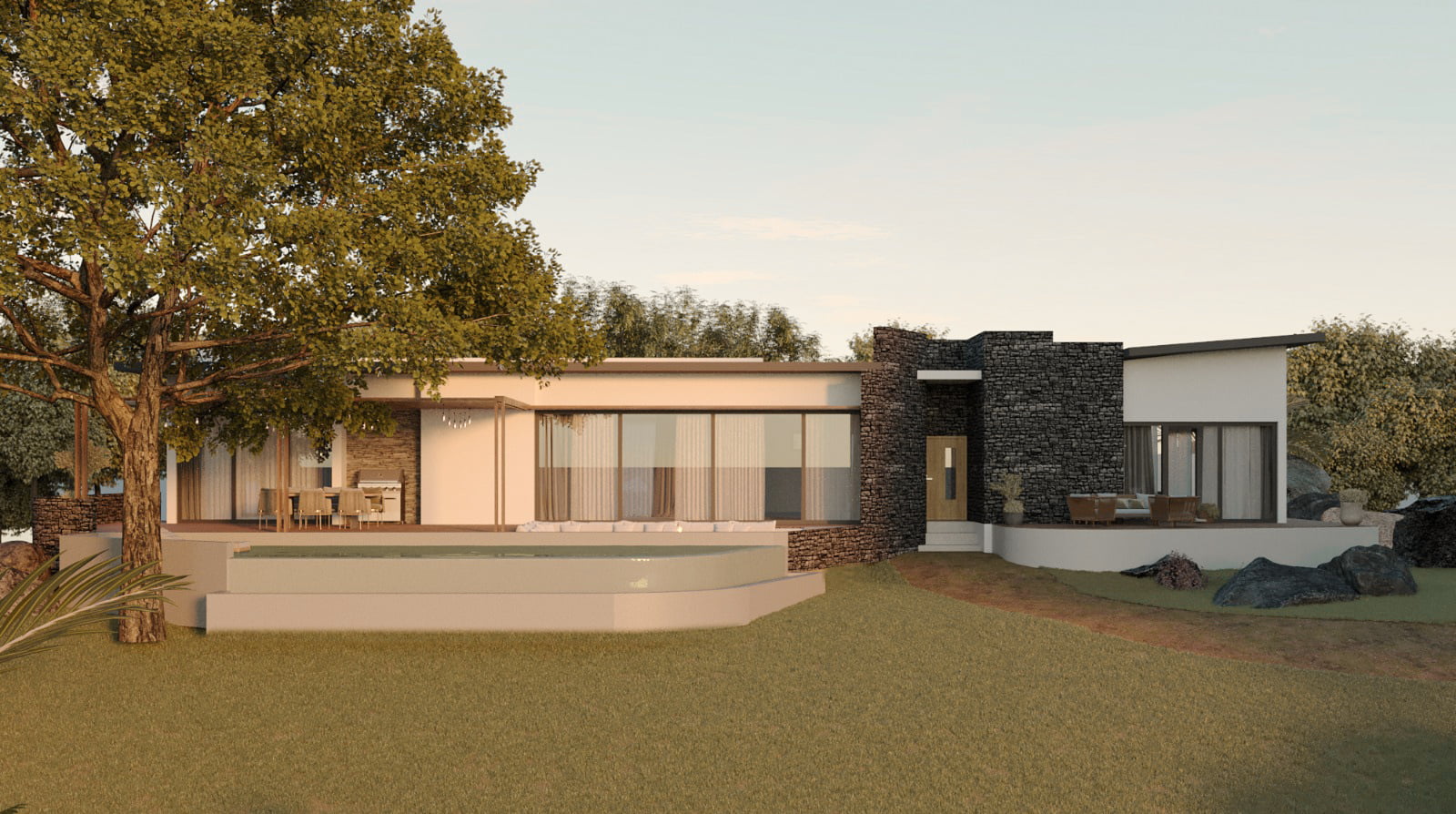
Construction de Maisons
2024

Ensemble, nous affinons la portée de votre projet. Au cours de l'appel, nous estimons un budget réaliste et répondons à toutes les incertitudes que vous pourriez avoir, en vous fournissant des informations que vous devez connaître avant de commencer.
C'est gratuit.
La consultation d'un expert est gratuite.
The world of interior design is constantly evolving, seeking inspiration from diverse cultural influences and artistic expressions. Among the myriad of patterns and textures available to designers, textiles inspired by the richness of global artistry hold a particular appeal. One such source of inspiration, often understated yet profoundly impactful, lies in the artistic traditions surrounding spinania. This isn’t about a specific material, but an aesthetic – a joyful explosion of color and intricate design often found in traditional crafts, particularly those with roots in Central and South American folk art. It represents a vibrant, celebratory approach to adorning spaces, moving away from minimalism and embracing a layered, textured aesthetic.
These influences are increasingly visible in contemporary homes, manifesting in textiles like woven wall hangings, cushions, rugs, and upholstery. The appeal is multifaceted: it introduces warmth and personality, injects a sense of history and craftsmanship, and counteracts the often sterile feel of modern homes. The incorporation of these patterns isn't merely about aesthetics; it reflects a growing desire for authenticity, sustainability, and a connection to cultural heritage. It's a trend that allows individuals to curate spaces that tell a story, weaving together personal narratives and global inspirations.
The core of the ‘spinania’ aesthetic resides in its striking use of geometric patterns. These aren’t the rigid, predictable geometries of mid-century modernism, but rather more organic, hand-drawn shapes that evoke a sense of playful energy. Think of interlocking diamonds, stylized floral motifs, and vibrant zigzags, often arranged in a way that creates a dynamic visual rhythm. This emphasis on bold geometry is a reaction against the prevailing trends of muted tones and simplistic forms. Designers are seeking to create visual interest and depth, and geometric patterns provide a powerful tool for achieving this. The colours used are also intrinsic to the style; rich reds, deep blues, vibrant yellows, and earthy oranges are frequently employed, creating a sense of warmth and vibrancy.
Understanding color theory is crucial when working with this aesthetic. The vibrant palette often associated with ‘spinania’ demands careful consideration of how colours interact with one another. Complementary color schemes, like blue and orange, or red and green, create a dynamic contrast that draws the eye. Analogous color schemes, using hues that are close to each other on the color wheel, such as shades of red, orange, and yellow, evoke a sense of harmony and warmth. Furthermore, the use of saturated colours can be balanced with neutral tones – creams, greys, and whites – to prevent the space from feeling overwhelming. Utilizing colour blocking and ombre effects can further enhance the visual impact, adding depth and sophistication to the design.
| Red, Orange, Yellow | Energetic, Passionate, Welcoming | Living Rooms, Dining Rooms |
| Blue, Turquoise, Green | Calming, Serene, Refreshing | Bedrooms, Bathrooms |
| Purple, Magenta, Pink | Creative, Playful, Luxurious | Home Offices, Boudoirs |
| Neutrals (Grey, Beige, White) | Sophisticated, Grounding, Versatile | Throughout the Home as a Backdrop |
The strategic application of colour is what elevates a space from simply ‘busy’ to ‘beautiful’. A subtle understanding of these principles, combined with a keen eye for balance, allows designers to successfully incorporate the energy of ‘spinania’ into any interior.
Beyond colour and pattern, adding textural layers is vital to capturing the essence of the aesthetic. This incorporates the use of natural materials like wool, cotton, linen, and jute. The goal is to create a tactile experience, inviting touch and creating a cozy atmosphere. Think woven throws, hand-knitted cushions, and textured rugs layered over polished floors. The interplay of different textures – rough against smooth, soft against hard – adds depth and visual interest. Incorporating handcrafted items, like pottery, baskets, and wooden carvings, further enhances this sense of authenticity and brings a unique character to the space. This is about creating a home that feels lived-in, loved, and imbued with a sense of warmth.
The beauty of the aesthetic is significantly amplified by the incorporation of handmade elements. Support local artisans and craftspeople; unique, individually-made pieces lend an authenticity that mass-produced items simply cannot replicate. Handwoven textiles, for example, often display slight imperfections that contribute to their character and charm. Similarly, hand-painted ceramics or sculpted wooden accents add a personal touch. Beyond the aesthetic value, supporting handmade goods promotes sustainable practices and helps preserve traditional crafts. Look for pieces that showcase the skill and artistry of the maker, and consider pieces with a history or story behind them. These elements inject soul into a space, making it feel truly personal and unique.
By consciously choosing materials and items that reflect craftsmanship and individuality, you can imbue your space with the spirit of the aesthetic and create a home that is both beautiful and meaningful.
The aesthetic isn't just about replicating patterns and colours; it's about appreciating the cultural stories embedded within them. Often, these textiles originate from communities with rich artistic traditions, and each design carries symbolic meaning. Understanding these meanings can add another layer of depth to your design choices. For example, certain geometric motifs might represent natural elements like mountains, rivers, or animals, or they might depict ancestral stories and beliefs. By incorporating these elements into your home, you are not merely decorating a space; you are celebrating a cultural heritage and acknowledging the artistry of those who created it. The key is to do this respectfully and thoughtfully, avoiding cultural appropriation and instead focusing on cultural appreciation.
When drawing inspiration from different cultures, it's crucial to approach the process with respect and sensitivity. Avoid simply copying designs without understanding their origin or significance. Instead, learn about the cultural context behind the patterns and colours, and seek out authentic pieces directly from the communities that created them. Partnering with ethical businesses that support fair trade practices is also a great way to ensure that your purchases benefit the artisans and communities involved. Consider the meaning behind specific motifs before incorporating them into your design, and avoid using sacred or ceremonial designs inappropriately. The goal is to celebrate cultural diversity and artistry while avoiding any form of exploitation or misrepresentation.
Thoughtful integration shows genuine respect for the artistry and heritage behind these beautiful traditions.
While rooted in tradition, the aesthetic is incredibly versatile and can be seamlessly integrated into contemporary spaces. It doesn't require a complete stylistic overhaul; instead, it can be introduced through accent pieces like cushions, throws, and artwork. Even a single, statement piece, such as a vibrant rug or a woven wall hanging, can transform a room. The key is to balance the boldness of the patterns with more neutral elements. Pairing brightly coloured textiles with minimalist furniture and clean lines can create a striking contrast that is both visually appealing and contemporary. Don't be afraid to experiment with different combinations and find what works best for your personal style.
Furthermore, the aesthetic can be adapted to various design styles. It can complement bohemian interiors, adding a touch of warmth and texture. It can also bring a vibrant energy to Scandinavian spaces, softening the minimalist aesthetic. Even in more traditional settings, touches of these patterns can add a refreshing pop of colour and personality. The beauty of this aesthetic lies in its ability to transcend stylistic boundaries and add a unique, culturally-inspired touch to any home.
Looking ahead, the influence of tactile, culturally-inspired designs will likely continue to grow. There’s an increasing awareness of the importance of storytelling in design, and consumers are seeking pieces that reflect their values and personality. We can anticipate a greater emphasis on sustainable materials and ethical production practices, with artisans gaining increased recognition for their skills and artistry. Furthermore, digital printing technologies are allowing designers to experiment with new ways of translating traditional patterns onto contemporary fabrics, opening up exciting possibilities for innovation. Expect to see more biophilic designs, blending interior spaces with natural elements, amplified by the warmth and texture of these textiles.
The push towards personalization will also drive demand for bespoke textile designs. Clients want unique pieces tailored to their individual preferences and spaces. This necessitates a collaborative approach between designers and artisans, fostering creativity and ensuring that each piece is a true reflection of its owner’s style. The future of textile design is not simply about creating visually appealing fabrics; it's about crafting meaningful objects that tell a story and enrich our lives. The legacy of artistic traditions, drawing inspiration from concepts like spinania, will continue to shape these exciting developments, fostering a greater appreciation for handcrafted artistry and cultural heritage.
From your vision to keys delivery, a tailor-made support.
Get our comprehensive guide and start crafting your secondary home today !